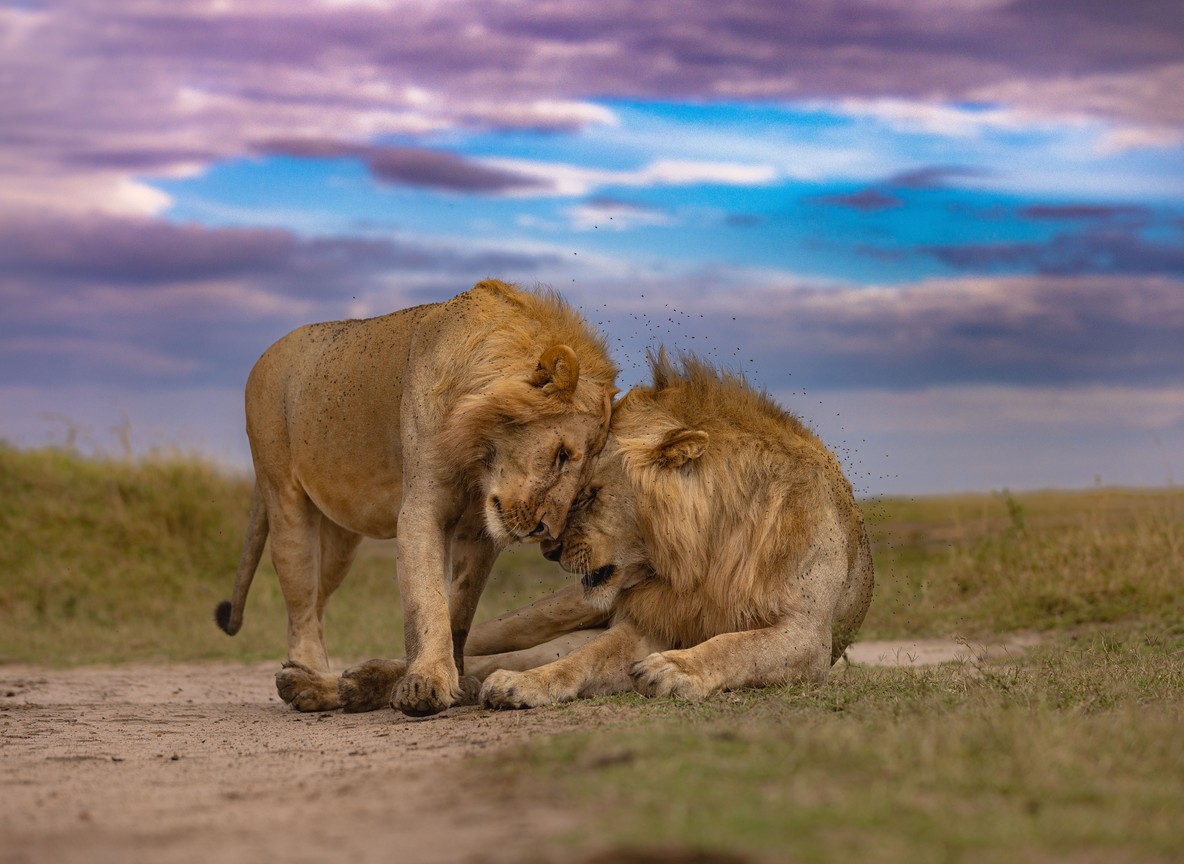
Handing a tablet to a bored eight-year-old on a six-hour transfer is easy. Keeping that same kid engaged through a week of game drives without one takes actual planning. Touring Insights looked at what genuinely holds a child’s attention on a Kenya safari: named junior ranger programs, tracking games a guide can run from the front seat, and hands-on conservation stops that beat any screen. None of this requires a special “kids’ safari” package. It requires picking the right camps and building a few deliberate stops into the route.
Why Kids Reach for Screens on Safari in the First Place
Long transfer days are the real problem, not the game drives themselves. A five-hour road transfer from Nairobi to the Maasai Mara, or a bumpy stretch between parks, is where boredom sets in and phones come out. Game drives usually hold attention fine once something is actually moving, since a kid rarely reaches for a tablet mid-lion-sighting. Midday rest back at camp is the real slow stretch, between the morning drive and the afternoon one, when the day suddenly has nothing scheduled. The fix is not banning devices outright. Load the transfer time and the slow midday hours with activities that compete with a screen on their own terms. Save devices for genuinely dead time, like a delayed flight or a long airport layover.
Junior Ranger and Conservation Programs Built for Kids
Several camps and conservancies run structured children’s programs that do most of the planning work for you. Governors’ Camp in the Maasai Mara runs the Cub Club, mixing tracking, stargazing, and craft sessions for younger guests. Great Plains Conservation’s Young Explorers program at Mara Toto Tree Camp pairs game drives with activity packs and short conservation lessons. Cottar’s 1920s Camp near the Mara runs a Budding Conservationist program that gets older kids handling real fieldwork tasks like camera-trap checks under supervision. These programs exist specifically so a child leaves the vehicle occasionally and does something with their hands.
| Program | Camp / Location | Typical age range | What kids actually do | Indicative program cost |
|---|---|---|---|---|
| Cub Club | Governors’ Camp, Masai Mara | 4-12 | Tracking walks, stargazing, craft, Maasai school visit | Often bundled in family rate, ask at booking |
| Young Explorers | Mara Toto Tree Camp, Masai Mara | 6-14 | Activity packs, tracking, stargazing | Included with stay, verify current terms |
| Budding Conservationist | Cottar’s 1920s Camp, Masai Mara | 8-16 | Camera-trap checks, field notebook, guide shadowing | Add-on fee, verify current rate with camp |
| Junior Ranger visit | Ol Pejeta Conservancy, Laikipia | 5+ | Rhino monitoring talk, chimp sanctuary walk | Conservancy entry $90-100/day (indicative, verify) |
Tracking, Spotting, and Counting Games That Work in a Real Vehicle
A guide can turn any game drive into a low-tech game with almost no setup. Ask the driver-guide before departure to call out three things per drive. The freshest track, the loudest alarm call, and one animal behavior work well, instead of just a species name. A simple checklist works for kids six and up. Give each child a printed list of ten animals ranked by how hard they are to spot. Impala sits at the easy end, leopard at the hard end. Let them tick off sightings themselves. For younger kids, a color-and-shape hunt works better than a species list. Spotting “something striped,” “something with horns,” or “something flying” keeps a four-year-old looking out the window. They do not need to know animal names yet.
Hands-On Conservation Stops Kids Remember
Some of the most screen-free hours on a Kenya trip happen off the game drive entirely. The David Sheldrick Wildlife Trust in Nairobi National Park runs a public visiting hour daily from 11am to noon. Orphaned elephants come in for their midday mud bath and bottle feed a few meters from visitors. Entry runs around $10 per adult (indicative, verify current rate). Kids can also adopt an orphan for a small annual fee to get ongoing updates. The Giraffe Centre in Langata lets kids hand-feed Rothschild’s giraffes from an elevated platform, with entry in the $10-15 range (indicative). Further north, Reteti Elephant Sanctuary sits in Namunyak Conservancy, Samburu. It is Kenya’s first community-owned elephant sanctuary and runs a similar public feeding window, though it takes real travel time to reach.
Bush Walks and Tracking Lessons for Kids Old Enough to Walk
Most Mara conservancies set a minimum age of 8 for guided bush walks. A walk needs quiet feet and the ability to follow instructions without running. Naboisho Conservancy and Ol Kinyei Conservancy both offer short guided walks focused on tracks, dung, and plants rather than big game. That suits kids better than a walk aimed at close predator viewing. Ol Pejeta Conservancy sits about 200 km north of Nairobi, roughly 3.5-4 hours by road or 45 minutes by air to Nanyuki airstrip. It runs a rhino-tracking walk on foot with an armed ranger, letting kids follow real spoor toward one of the conservancy’s black or southern white rhinos from a safe distance.
Cultural Activities That Do Not Need a Screen Either
A Maasai or Samburu village visit gives kids a physical, memorable alternative to downtime at camp. Beadwork sessions with local women’s groups near Naboisho and Mara North let kids thread their own bracelet to take home. Most camps can arrange a short visit with advance notice. A portion of the visit fee typically supports the hosting community directly, rather than a tour operator. Some conservancies also run junior spear-throwing or fire-making demonstrations for older kids, always supervised and always framed as a demonstration rather than a tourist stunt. Ask your camp manager which community programs are currently running, since these rotate and not every camp has an active partnership.
Comparing Distances and Fees for Screen-Free Stops
Planning a route that includes several of these stops means understanding how far apart they actually sit.
| Stop | Distance from Nairobi | Drive time | Flight time | Park/conservancy size |
|---|---|---|---|---|
| David Sheldrick Wildlife Trust | Inside Nairobi National Park | 30-45 min from CBD | N/A | Nairobi NP: 117 km2 |
| Giraffe Centre, Langata | ~10 km from CBD | 20-30 min | N/A | Small sanctuary grounds |
| Ol Pejeta Conservancy | ~200 km | 3.5-4 hrs | ~45 min to Nanyuki | 364 km2 |
| Maasai Mara conservancies (Naboisho, Mara North) | ~270-280 km | 5-6.5 hrs | ~45 min to Mara airstrips | Maasai Mara NR: 1,510 km2 |
| Reteti Elephant Sanctuary, Samburu | ~345 km | 7-8 hrs (rough roads) | ~1 hr to Samburu/Kalama airstrip | Namunyak Conservancy: ~1,440 km2 |
Explorer Notes
Pack a small notebook and a cheap pair of kid-sized binoculars before you leave home. Most camps hand out activity sheets, but a personal notebook gives a child ownership over their own sightings list. Guides notice when a kid is keeping one and tend to slow down more for them. Ask your guide on day one whether they are comfortable running a tracking game. Some love it and some were never trained for it, so this saves an awkward mismatch later. If a camp’s junior ranger program is not running the week you visit, staff can often improvise a scaled-down version with a day’s notice. Ask early rather than assuming it is fixed.
FAQ
What age can kids start guided bush walks in Kenya? Most Mara conservancies set a minimum age of 8, though some Laikipia and Samburu camps set it slightly lower or higher. Always confirm with the specific camp before booking.
Are junior ranger programs free or an extra cost? It varies by camp. Governors’ Cub Club and Great Plains’ Young Explorers are typically bundled into the stay, while Cottar’s Budding Conservationist program can carry an add-on fee. Confirm current terms when booking.
Can toddlers do anything screen-free on safari? Yes. Color-and-shape spotting games, the Giraffe Centre feeding platform, and short camp nature walks all work for children under five, though open-vehicle game drives suit older kids better.
How long should a transfer day be before boredom becomes a problem? Transfers over two to three hours are where most kids reach for a screen. Breaking a long transfer with a stop, like the Giraffe Centre en route from the airport, helps more than any in-car activity.
Do camps provide tracking sheets or do we need to bring our own? Many family-oriented camps provide printed activity sheets, but bringing your own notebook and a simple ten-animal checklist works at any camp, including ones without a formal kids’ program.
What to Read Next
- Curious how carsickness plays into long transfer days with kids? Read our guide to motion sickness on Kenya game drives.
- Want the full rundown on Governors’ Camp’s kids program mentioned above? See our Governors’ Cub Club guide.
- Packing the right gear before you go makes these activities easier to pull off. Check our Kenya family safari packing list.
Building a few of these stops into your route takes more planning than handing over a tablet. It is the difference between a trip kids tolerate and one they talk about for years. Check the Tour Packages page for family itineraries with junior ranger time and conservation stops already built in. Or flag a screen-free preference when you enquire about a custom route.
Further reading
More safari planning resources
- Kenya family safari from SafariPure
- Nairobi to Maasai Mara route guide from Valley Safaris
- Maasai Mara National Reserve guide on Touring Insights
- Family safari collection on FindMySafari
Related guides: Designing Interiors That Feel Personal and Timeless.